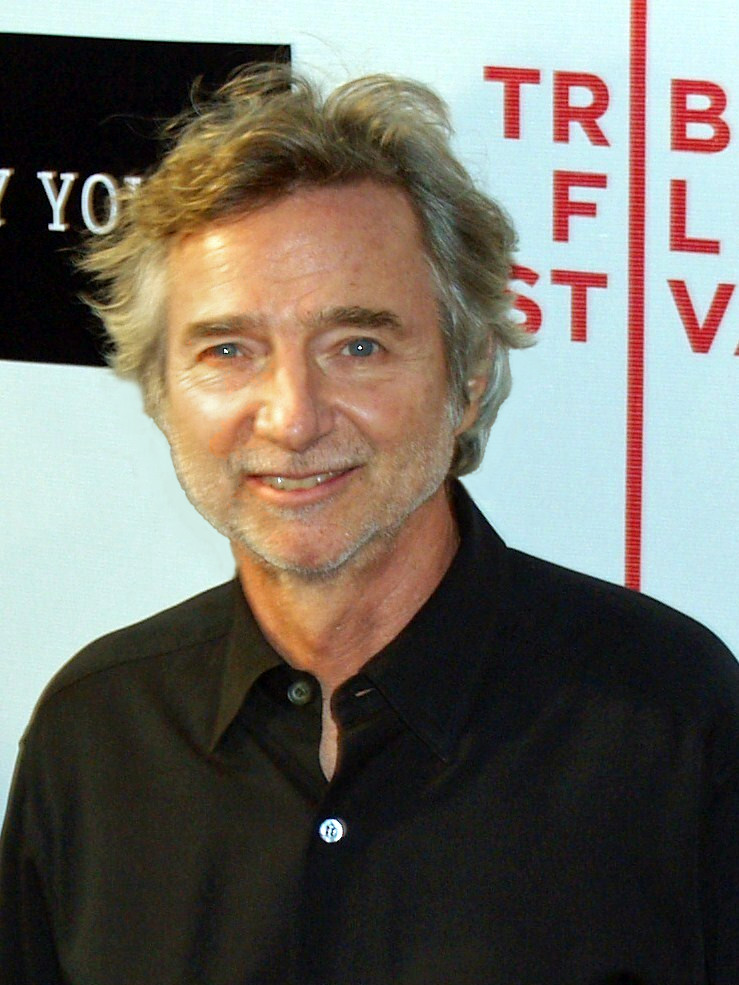
How Curtis Hanson's Cinematic Vision Forged His Remarkable Financial Legacy
Curtis Hanson, a name synonymous with masterfully crafted thrillers and compelling dramas, left an indelible mark on Hollywood. While the brilliance of his storytelling and direction is widely celebrated, the financial impact of his iconic films often garners less attention. Yet, understanding how his critically acclaimed and commercially successful works contributed to his financial standing is key to appreciating the full scope of his legacy. This article delves into the career trajectory that shaped curtis hanson net worth, exploring the journey from a passionate film enthusiast to an Oscar-winning director whose movies collectively grossed hundreds of millions at the box office.
The Formative Years: Laying the Groundwork for a Cinematic Fortune
Born in Reno, Nevada, in 1945 and raised in the bustling cinematic hub of Los Angeles, Curtis Lee Hanson was immersed in a family environment that championed hard work and education. His mother, Beverly June, pursued a career in real estate, while his father, Wilbur Hale "Bill" Hanson, was a dedicated educator. This blend of practicality and intellectual curiosity undoubtedly influenced Hanson's early appreciation for narrative and the meticulous craft of filmmaking. His passion was so profound that he chose an unconventional path, leaving high school early to pursue his interests more fervently.
Hanson's initial foray into the film world was far from the director's chair. He sharpened his skills as a freelance photographer and, crucially, as an editor for Cinema magazine. This period was invaluable, allowing him to interview esteemed directors and gain profound insights into the industry's inner workings—a hands-on education that would profoundly shape his own directorial style. His formal entry into filmmaking began on the writing side, with a credit for the screenplay of the 1970 horror film The Dunwich Horror. By 1973, he made his directorial debut with the low-budget thriller Sweet Kill, a film that, despite its limited commercial reach, hinted at the potential that lay dormant.
Throughout the 1970s and 80s, Hanson diligently honed his craft, navigating various genres as both a writer and director. Films like The Silent Partner (1978) and White Dog (1982) began to garner critical attention, showcasing his versatility and ability to tackle complex narratives with nuance. While these early works might not have been blockbuster hits that dramatically swelled his immediate financial portfolio, they were crucial in building his reputation, establishing his distinct voice, and, perhaps most importantly, securing the trust of producers and studios for future, higher-stakes projects. This sustained period of development was fundamental, building the intellectual and artistic capital that would later translate into significant financial success.
The Breakthrough Era: From Critical Acclaim to Box Office Gold
The 1990s marked Curtis Hanson's undeniable ascent into Hollywood's upper echelons, a period where his meticulous craft began to yield substantial commercial returns. His breakthrough arrived with the psychological thriller The Hand That Rocks the Cradle in 1992. This film was a resounding success on multiple fronts, earning critical praise and achieving a remarkable box office gross of approximately $140 million worldwide. For any director, such a success significantly elevates their standing, leading to increased fees for future projects, more creative control, and often, lucrative backend deals that tie their earnings directly to a film's performance.
Hanson capitalized on this momentum with The River Wild in 1994, a suspenseful adventure film starring Meryl Streep and Kevin Bacon. This project further solidified his reputation as a director capable of handling big stars and delivering thrilling narratives. However, it was his 1997 neo-noir crime masterpiece, L.A. Confidential, that truly cemented his place in cinematic history and significantly impacted his financial legacy. Co-written and directed by Hanson, the film received widespread critical acclaim, earning him an Academy Award for Best Adapted Screenplay, along with nominations for Best Picture and Best Director. Its preservation by the Library of Congress in the National Film Registry as "culturally, historically, or aesthetically significant" speaks volumes about its enduring artistic value. An Oscar win not only brings immense prestige but often translates into higher directing fees and more leverage in negotiating future contracts, fundamentally altering a filmmaker's long-term financial trajectory. To learn more about how these successes built his wealth, you might find Curtis Hanson's Net Worth: Tracing His Blockbuster Film Success an insightful read.
Sustaining Success: Diverse Genres and Consistent Returns
Following the monumental success of L.A. Confidential, Curtis Hanson continued to demonstrate his versatility and ability to draw audiences with a range of compelling stories. In 2000, he directed Wonder Boys, a critically acclaimed comedy-drama starring Michael Douglas and Tobey Maguire. While perhaps not a box office juggernaut on the scale of some of his thrillers, its critical reception reinforced his reputation as a director of intelligence and nuance, capable of eliciting stellar performances from his cast. Such prestige projects, even if not immediate cash cows, enhance a director's brand and attract top talent for subsequent projects, indirectly boosting their future earning potential.
His 2002 drama, 8 Mile, inspired by the life of rapper Eminem, was another colossal commercial hit, grossing over $242 million worldwide. This film showcased Hanson's ability to cross genres and tap into popular culture, proving that his Midas touch extended beyond crime thrillers. Working with a global music icon like Eminem naturally amplified the film's reach and financial success, undoubtedly translating into significant earnings for Hanson, who likely commanded a substantial upfront fee along with potential backend participation given his established track record. Even his 2005 romantic comedy-drama, In Her Shoes, starring Cameron Diaz, Toni Collette, and Shirley MacLaine, achieved both critical acclaim and financial success, further demonstrating his consistency and sustained appeal across diverse demographics. This consistent delivery of both artistic and commercial value across a varied filmography underscores the robust foundation of curtis hanson net worth. For a deeper dive into the financial implications of such a prestigious career, consider exploring Curtis Hanson: Unpacking the Net Worth of an Oscar-Winner.
Deconstructing Curtis Hanson's Net Worth: A Legacy Beyond Numbers
While the precise public figure for Curtis Hanson's net worth at the time of his passing in 2016 remains largely undisclosed—a reflection of his relatively private personal life, despite his Hollywood success—his prolific and successful career provides strong indicators of substantial financial legacy. Unlike public figures whose entire financial portfolios are often scrutinized, a director and screenwriter's wealth is typically built through several key income streams:
- Upfront Fees: For an Oscar-winning director like Hanson, these fees for directing and writing a major studio film could range from several million dollars per project, especially after hits like L.A. Confidential and 8 Mile.
- Backend Participation: It's common for established directors to negotiate a percentage of a film's gross or net profits. Given the massive box office success of films like The Hand That Rocks the Cradle ($140M) and 8 Mile ($242M), these percentages could have translated into significant additional income.
- Producer Credits: Hanson also held producer credits on some of his films, which comes with its own set of fees and potential profit participation.
- Residuals and Royalties: Films have a long shelf life, generating income from television syndication, streaming rights, DVD/Blu-ray sales, and international distribution, providing ongoing revenue streams for the creators.
- Investments: Like many successful individuals, it's reasonable to assume Hanson would have managed and invested his earnings wisely over a career spanning several decades.
Practical Insight: For aspiring filmmakers, Hanson's career trajectory offers a powerful lesson: consistent quality, versatility across genres, and a keen understanding of both artistic integrity and commercial appeal are the cornerstones of a successful and financially rewarding career in Hollywood. His journey demonstrates that building a substantial net worth in the film industry often comes from a combination of creative control, critical acclaim, and box office hits, which together enhance one's negotiating power and long-term earning potential. His personal life, including his long-term relationship with film producer Rebecca Yeldham and their son, Rio, remained largely out of the public eye, underscoring a preference for privacy even amidst immense professional success.
Curtis Hanson's legacy is not merely measured in dollars and cents, but in the unforgettable cinematic experiences he crafted. However, it is undeniable that his extraordinary talent and dedication to his craft translated into a significant financial legacy. His films, from the suspenseful thrillers to the poignant dramas, consistently resonated with audiences and critics alike, ensuring not only his enduring artistic impact but also a robust financial standing that supported his vision throughout his illustrious career until his passing in 2016.
